Farming through drought in Llannefydd
The dry weather has taken away something every livestock farmer depends on — grass. Here is an honest account of what drought means for a family farm in North Wales.
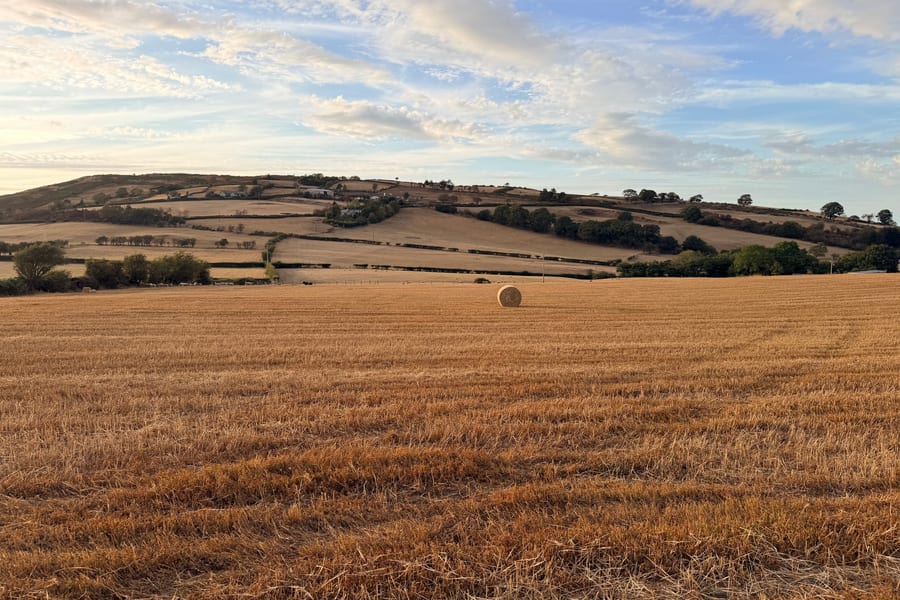
There is something heartbreaking about feeding your winter hay in the middle of summer.
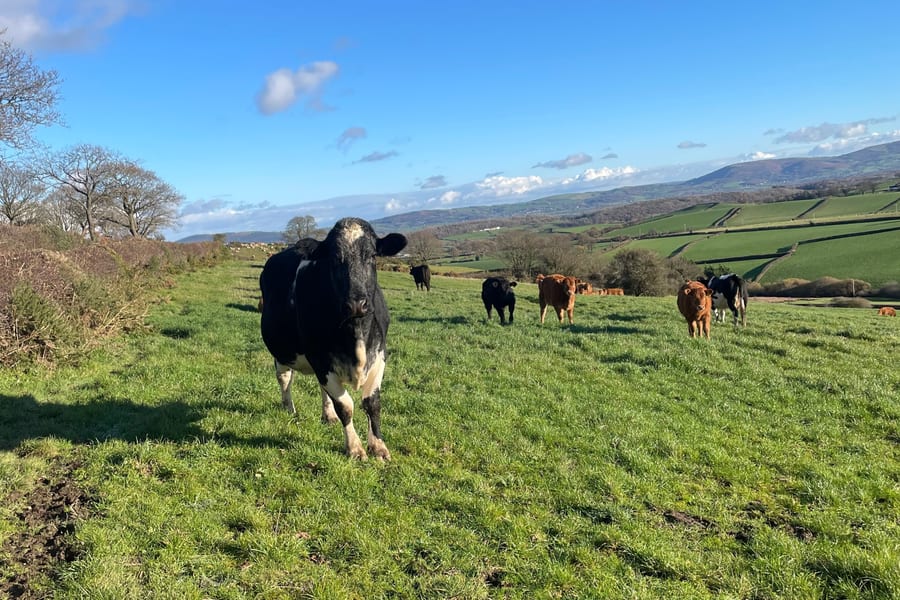
Here in Llannefydd, we have reached the point where the dry weather has taken away something every livestock farmer depends on — grass. The fields should be carrying the cattle and sheep through the summer. Instead, the grass has struggled to grow, and we have had no choice but to start using the hay bales we carefully put away for winter.
Those bales were supposed to see us through the months ahead. Now they are disappearing, one by one, while summer is still here. And the reality is that we simply cannot afford to carry on this way.
Tough decisions
Eventually, something has to give. For us, that meant selling cattle.
It isn't a decision made because we wanted to reduce the herd. It isn't a decision made because the cattle weren't needed. It is a decision made because we cannot keep taking bales out of the winter stock when we don't know how we are going to replace them.
Every bale costs money. Every bale used now is one less bale available when winter arrives. And with the grass struggling to recover, there is no guarantee that we will have enough later in the year.
So we have had to make the difficult decision to sell cattle earlier than we wanted to. For anyone who has never farmed livestock, it might sound like a straightforward business decision. It isn't.
These are animals that we have cared for, watched grow and worked with every day. Livestock farming is not simply about buying and selling animals. There is time, work and commitment behind every animal that leaves the farm. Selling them because the weather has left us with no affordable alternative is incredibly difficult.
Winter stocks
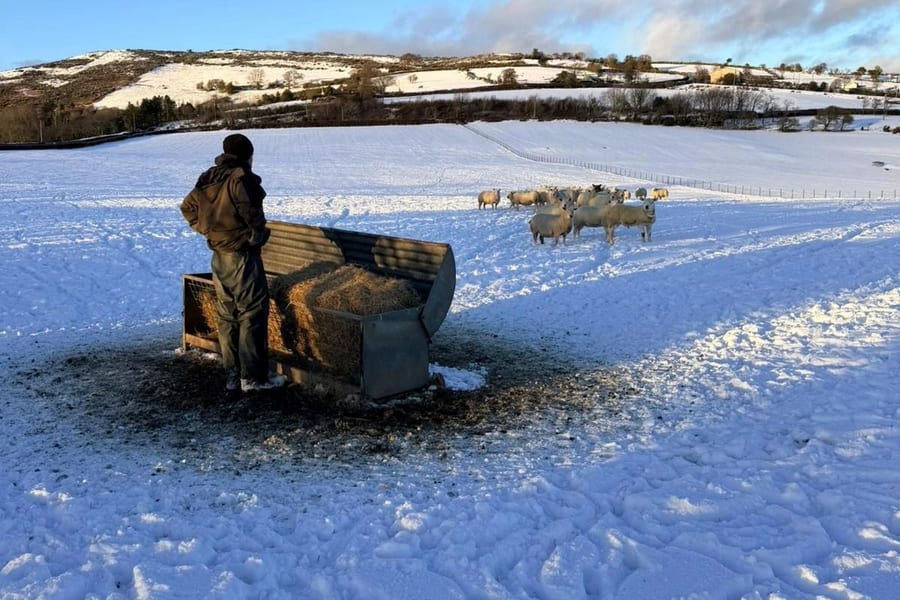
Hay bales are a farmer's insurance policy. You make them when conditions are good because you know there will come a time when the grass isn't there. Normally, opening the shed and starting to feed winter hay is part of preparing for the colder months. This year, it feels like we have started winter before summer has even finished.
Every bale we use brings the same thought — how many will be left when winter comes? And then comes the even harder question — can we afford to buy more?
The answer, for us, is no. That is why the cattle had to go.
For now, the sheep remain, but the same concerns apply. They still need feeding. They still need looking after. They cannot wait for the weather to improve before they need grass and forage. That is the part people sometimes don't see when they look at a drought from the outside. The animals don't stop needing food because the grass has stopped growing. The farmer has to find another way. And when buying more feed isn't financially possible, the choices become very limited.
Counting the cost
At the moment, farming feels like a constant calculation. How much grass is available? How long will it last? How many bales are left? What will feed cost if we need to buy more? Can we keep all the stock? What happens if the dry weather continues?
These are the conversations happening on farms across North Wales. The drought isn't just turning fields brown. It is putting pressure on the finances and the future of livestock farms. For a family farm, there isn't a spare pot of money to keep buying feed indefinitely. At some point, the numbers simply don't work.
All we can do is keep going
Farmers are used to adapting. We watch the weather. We change grazing plans. We adjust feed. We make decisions earlier than we would like to. But there is only so much we can do when the rain doesn't come.
For now, we're making the best decisions we can with what we have. We're feeding the cattle and sheep. We're opening the winter hay. We're watching the fields. And we're hoping for rain.
Because behind every bale of hay used too early is a farmer wondering how many will be left when winter finally arrives. And behind every difficult decision about livestock is someone who has spent years building a herd or flock and doesn't want to see that work undone.
This drought is not just about dry fields. It is about livelihoods, livestock and the future of family farms. And sometimes, all a farmer can do is keep going, keep caring for the animals, and hope that the weather finally gives them a break.
Diolch yn fawr, Dyfan and Kelly